
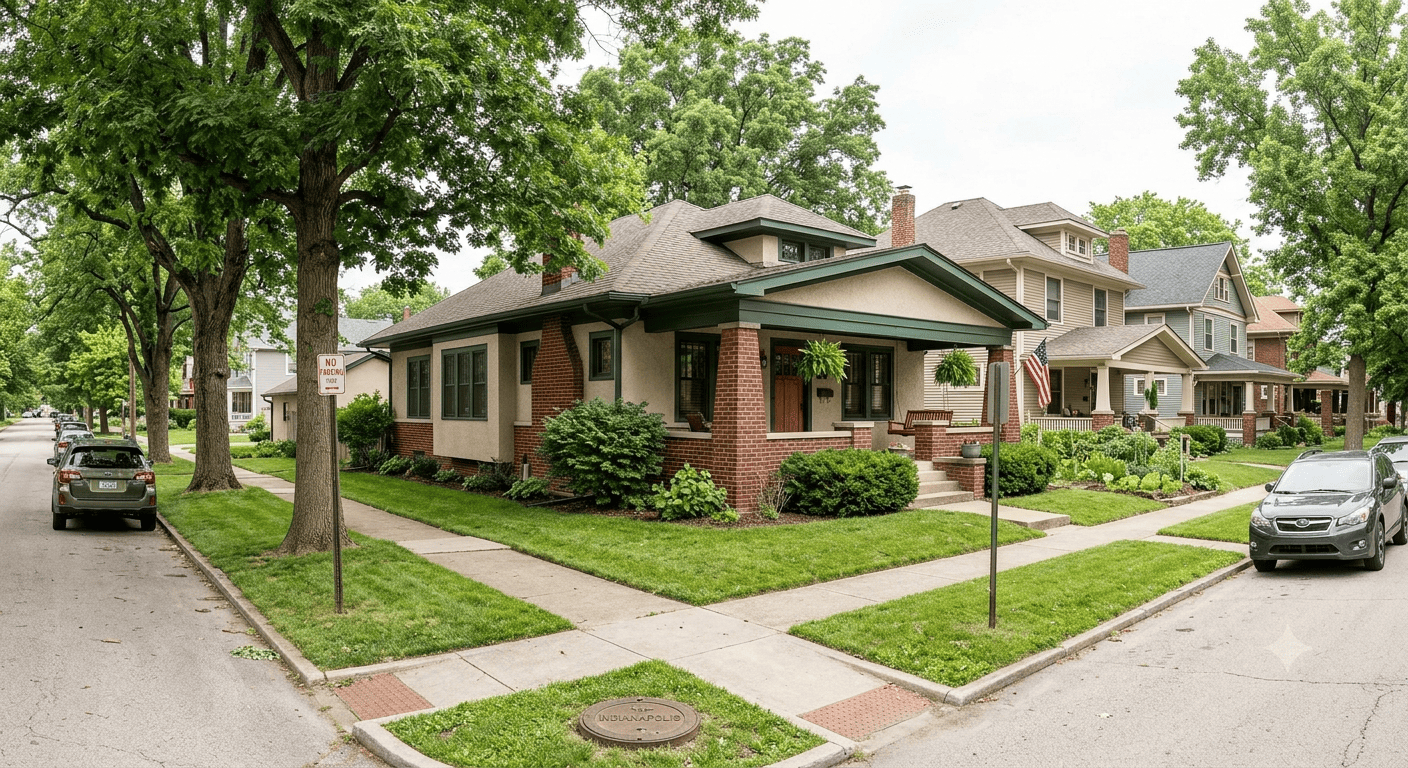
Your home’s siding does much more than create curb appeal. It serves as one of the first lines of defense against rain, wind, snow, hail, temperature changes, and other environmental conditions that can impact your property’s structure over time.
Choosing the right siding is an important decision for any homeowner. The material you select can affect your home’s durability, maintenance requirements, energy efficiency, and long-term value. Whether you’re building a new home, replacing aging siding, or restoring your property after storm damage, understanding your options can help you make the best choice for your needs.
Why Siding Matters
Siding protects the exterior of your home from moisture intrusion, wind-driven debris, UV exposure, and fluctuating temperatures. Without a properly functioning exterior barrier, water can penetrate the structure, leading to rot, mold growth, insulation damage, and costly repairs.
Quality siding also helps improve energy efficiency by providing an additional layer of protection between your home’s interior and outdoor conditions. The right material can help maintain more consistent indoor temperatures while reducing strain on your heating and cooling systems.
Beyond protection, siding plays a major role in the overall appearance and value of your property.
Factors to Consider When Choosing Siding
Before selecting a siding material, homeowners should evaluate several key factors.
Climate is one of the most important considerations. Homes in areas that experience heavy rain, snow, hail, strong winds, or extreme temperature swings may benefit from materials specifically designed to withstand those conditions.
Maintenance requirements are another important consideration. Some siding materials require regular painting, sealing, or cleaning, while others offer years of low-maintenance performance.
Budget, energy efficiency goals, architectural style, and long-term durability should also influence your decision.
Vinyl Siding
Vinyl siding remains one of the most popular choices among homeowners due to its affordability, versatility, and low maintenance requirements.
Available in a wide variety of colors and styles, vinyl siding can complement many home designs while providing reliable protection against moisture and weather exposure.
Unlike wood, vinyl does not require painting and is resistant to rot and insect damage. Routine cleaning is generally all that’s needed to maintain its appearance.
Modern vinyl siding products have improved significantly in terms of durability and aesthetics, making them a practical choice for many homeowners.
Fiber Cement Siding
Fiber cement siding has become a preferred option for homeowners seeking exceptional durability and long-term performance.
Made from a combination of cement, sand, and cellulose fibers, this material is designed to withstand harsh weather conditions, moisture exposure, and temperature fluctuations. It is also resistant to fire, pests, and rot.
Fiber cement siding can mimic the appearance of wood while offering significantly lower maintenance requirements. Although the initial investment may be higher than vinyl, many homeowners appreciate its longevity and resilience.
Engineered Wood Siding
For homeowners who love the appearance of traditional wood but want improved durability, engineered wood siding offers an attractive solution.
Engineered wood products are manufactured to resist moisture, fungal decay, and insect damage more effectively than natural wood. They provide the warmth and character of real wood while often requiring less maintenance.
This option can be a great choice for homeowners seeking a classic appearance without many of the challenges associated with traditional wood siding.
Traditional Wood Siding
Wood siding offers timeless beauty and natural character that many homeowners find appealing.
Available in various styles, including clapboard, shingles, and board-and-batten designs, wood siding can enhance the appearance of both historic and modern homes.
However, wood requires ongoing maintenance to protect it from moisture, insects, and weather-related deterioration. Regular painting, staining, and inspections are typically necessary to maintain its appearance and performance.
For homeowners willing to invest in upkeep, wood siding can provide unmatched charm and curb appeal.
Metal Siding
Metal siding, including aluminum and steel options, offers excellent durability and weather resistance.
Metal siding performs well in areas prone to severe weather and can withstand many of the challenges presented by rain, snow, wind, and temperature fluctuations. It is also resistant to fire and insect damage.
Modern manufacturing techniques have expanded the design options available, allowing metal siding to achieve a variety of attractive appearances while delivering long-term protection.
Siding and Energy Efficiency
Many homeowners focus on appearance when selecting siding, but energy efficiency should also be part of the decision-making process.
Insulated siding systems can help reduce heat transfer and improve indoor comfort throughout the year. Combined with proper insulation and installation techniques, quality siding can contribute to lower energy costs and improved overall home performance.
When evaluating siding products, consider both the material itself and the insulation options available.
The Importance of Professional Installation
Even the highest-quality siding material can fail if it is not installed correctly.
Proper installation ensures that siding panels, flashing, moisture barriers, and trim components work together to protect your home from water intrusion and weather-related damage. Gaps, improper fastening, and installation errors can lead to costly problems down the road.
Working with experienced professionals helps ensure that your investment delivers the protection and performance you expect.
Signs It May Be Time to Replace Your Siding
If your home’s siding is showing signs of wear, it may be time to consider replacement.
Common indicators include cracking, warping, fading, loose panels, frequent repainting, mold growth, water stains, or rising energy costs. Storm damage can also compromise the integrity of siding, leaving your home vulnerable to moisture and structural issues.
Addressing siding problems early can help prevent more extensive repairs and protect your property’s long-term value.
Trust Restorm for Exterior Restoration and Reconstruction Services
At Restorm, we understand how important a strong, reliable exterior is to protecting your home. Whether you’re replacing aging siding, repairing storm damage, or completing a full exterior renovation, our experienced team provides quality craftsmanship and dependable service throughout the Indianapolis area.
From reconstruction and remodeling to storm damage restoration and exterior improvements, we’re committed to helping homeowners protect their investments and create homes that are built to last.
If you’re considering new siding for your property, contact Restorm today to discuss your options and learn how we can help strengthen and enhance your home’s exterior.



0 Comments