
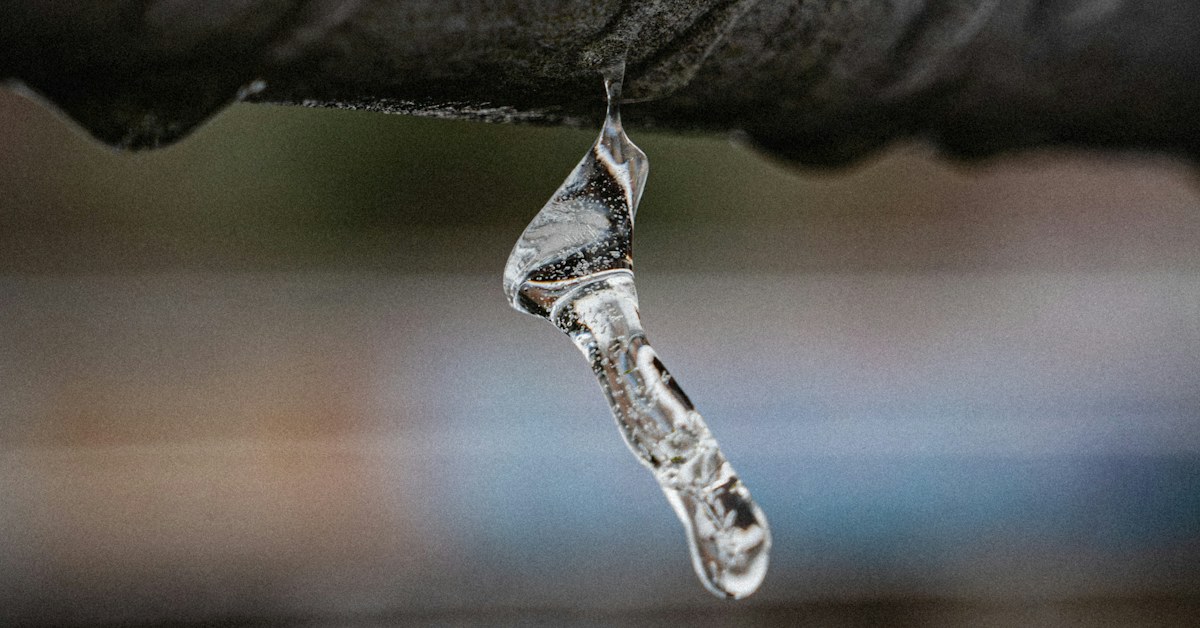
Short answer: Pipes burst inside exterior walls during a cold snap because those walls are the coldest part of the house. When water in a supply line freezes, it expands and builds pressure between the ice and a closed faucet until the pipe splits. The leak often starts only when the ice thaws, so water can run inside the wall for hours before anyone sees it.
Winters in Central Indiana regularly bring stretches of subfreezing weather, and a sudden drop after a mild spell catches many homeowners off guard. Homes in Zionsville range from older houses near the historic village to newer builds in subdivisions on the edge of town, and both can have plumbing routed through outside walls, over garages, or under cantilevered floors. Those are the places Restorm Indy checks first after a freeze.
Why are exterior walls the weak point?
Exterior walls are the weak point because the only thing between the pipe and the outdoor air is siding, sheathing, and a layer of insulation that may be thin, compressed, or missing. Kitchen sinks on outside walls, laundry lines in a garage wall, and hose bib supply lines are common trouble spots.
Gaps around rim joists, dryer vents, and wire penetrations let cold air blow directly across a pipe. Wind makes it worse. A wall that holds up fine at 20 degrees on a calm night can freeze at the same temperature with a strong west wind.
Why does the leak start after the cold breaks?
The leak usually starts after the cold breaks because ice holds the split closed until it melts. While the pipe is frozen, little or no water escapes. Once the house warms or the sun hits that wall, the ice melts and full water pressure pushes through the crack.
This is why many burst pipe calls come in on the first warm afternoon after a freeze, or when a family returns from a trip and turns the water back on.
What are the signs a pipe has burst in a wall?
The most common signs are a sudden drop in water pressure, the sound of running water with every fixture off, a wet spot or bubbling paint low on a wall, and water appearing at a baseboard or in the basement below. A water meter that keeps spinning with everything off is a strong clue.
If the burst is in a wall above a finished basement, the first sign may be a stain on the basement ceiling rather than anything on the wall itself.
What should you do in the first hour?
Shut off the main water valve, turn off power to any wet rooms if it is safe, and open faucets to drain the lines. Then call a plumber to repair the pipe and a restoration company for emergency water damage repair.
- Move furniture, rugs, and boxes away from the wet area.
- Take photos and video before anything is moved, for your insurance claim.
- Do not use a household vacuum on standing water.
- Do not close the wall back up until the cavity is confirmed dry.
How is burst pipe water damage repaired?
Burst pipe water damage repair starts with extraction, then moisture mapping, controlled demolition only where needed, structural drying, and finally rebuilding. Restorm Indy uses thermal imaging and moisture meters to follow water inside the wall cavity, which often travels down to the bottom plate and into the subfloor.
Wet insulation in an exterior wall usually has to come out, since it holds water and loses its value once soaked. Technicians may cut a flood cut along the bottom of the drywall to let air reach the cavity, then set air movers and dehumidifiers to pull moisture out of the framing.
Can water damaged drywall be saved?
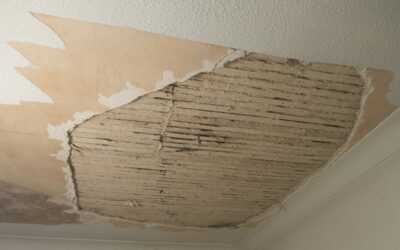
Water damaged drywall can sometimes be dried in place if it was wet with clean water for a short time and has not swelled, crumbled, or sagged. Drywall that soaked for a long time, lost its strength, or sits behind wet insulation is usually replaced.
The paper face and gypsum core react differently to water. Drywall that feels soft, shows a wavy seam, or crumbles when pressed has lost its strength and should come out. After drying, new drywall is hung, taped, textured, and painted to match the rest of the room.
How can homes in Zionsville be protected before the next freeze?
The best protection is keeping heat on, letting faucets on exterior walls drip during extreme cold, and opening cabinet doors so warm air reaches the pipes. Disconnect garden hoses in the fall, and shut off and drain the supply to any outdoor faucet that is not frost-free.
Sealing air leaks around rim joists and adding insulation or pipe sleeves to known cold spots helps over the long term. If you travel in winter, set the thermostat no lower than the mid-50s and ask someone to check the house.
How does insurance usually treat a burst pipe?
Most homeowners policies cover sudden and accidental water damage from a burst pipe, but they may deny claims where the home was not reasonably heated or the damage built up over time. Coverage depends on your policy, so read it and call your agent early.
Good documentation helps. Restorm Indy records moisture readings, photos, and drying logs that you can share with your adjuster.
Related services: Water Damage Restoration · Zionsville, IN service area
Frequently asked questions
Can a pipe burst even if the house was heated?
Yes. A pipe in a poorly insulated exterior wall can freeze even when the thermostat is set normally, especially in strong wind or extreme cold.
How long does it take to dry a wall after a burst pipe?
Most walls dry in several days once the wet insulation is removed and drying equipment is running. Moisture readings confirm when it is finished.
Should I turn the water back on after a freeze to check for leaks?
Turn it on slowly while someone watches the meter and the walls, and be ready to shut it off again. If you suspect a break, call a plumber first.
Call Restorm Indy for burst pipe help in Zionsville
If a pipe has burst in a wall of your home in Zionsville or anywhere in the Indianapolis area, call Restorm Indy at (317) 995-6696. Our team answers 24/7 for emergency water damage repair, drying, and rebuilding.





0 Comments