
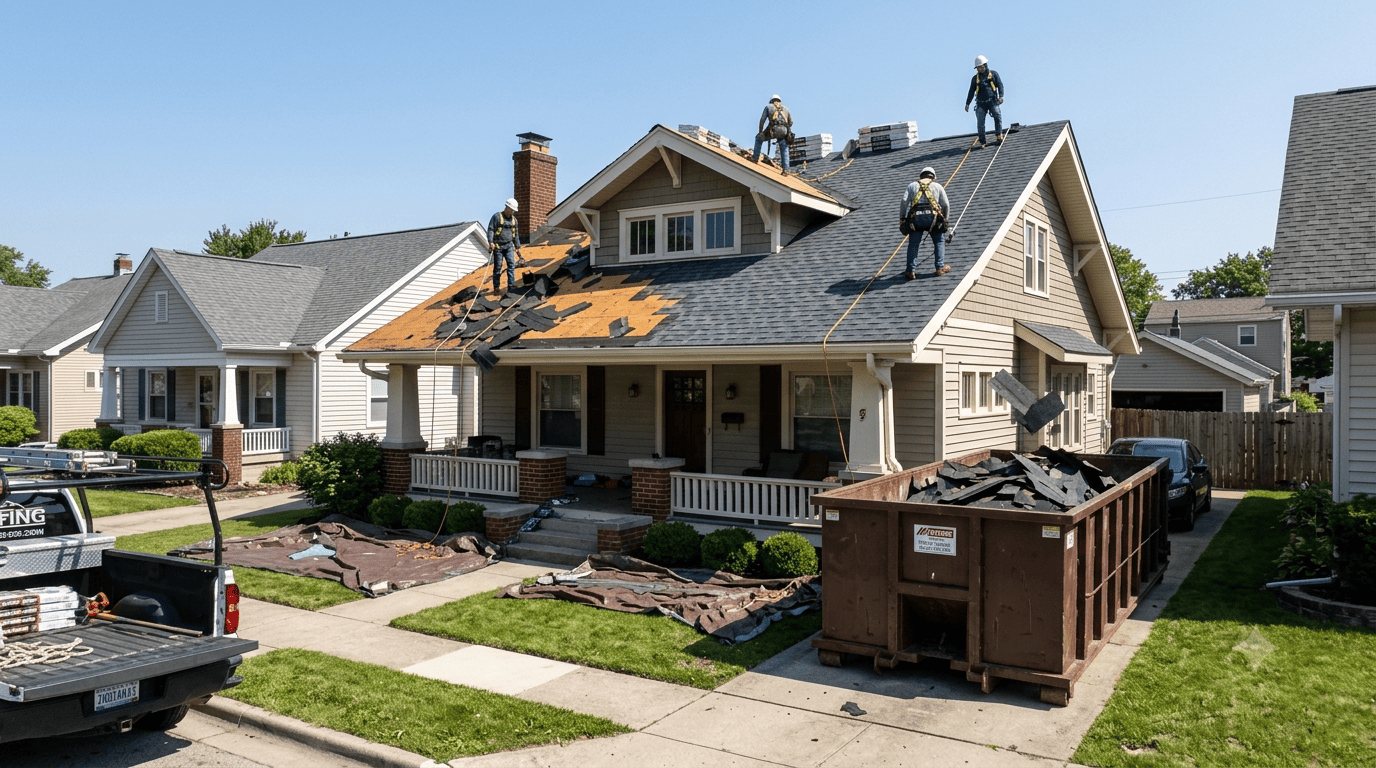
Winter weather can be tough on your home, especially when your roof is already showing signs of age or damage. Snow, ice, freezing temperatures, and winter storms can turn small roofing issues into costly repairs if they aren’t addressed before cold weather arrives.
If your roof is nearing the end of its lifespan or has experienced storm damage, replacing it before winter may be one of the best investments you can make to protect your home. A new roof not only improves your home’s appearance but also provides the protection and peace of mind needed to withstand the challenges of winter weather.
Why Your Roof Matters During Winter
Your roof serves as your home’s first line of defense against the elements. During winter, it must withstand heavy precipitation, freezing temperatures, strong winds, and fluctuating weather conditions.
When a roof is compromised by missing shingles, damaged flashing, leaks, or general wear and tear, moisture can find its way into your home. Once water enters the roofing system, freezing temperatures can make the damage worse, leading to structural issues, insulation problems, and interior water damage.
A strong, well-maintained roof helps prevent these issues and keeps your home protected throughout the season.
Prevent Costly Winter Leaks
Roof leaks often become more noticeable during winter months.
Snow and ice can sit on a roof for extended periods, allowing moisture to exploit even the smallest vulnerabilities. As temperatures fluctuate, melting snow can seep into cracks and gaps before refreezing and expanding.
Installing a new roof before winter helps eliminate weak points that could lead to water intrusion when weather conditions become more severe.
Protect Your Home From Ice Dams
Ice dams are one of the most common winter roofing problems homeowners face.
They occur when heat escaping from the home causes snow on the roof to melt. The water then refreezes near the roof’s edge, creating a barrier that prevents proper drainage. As water backs up behind the ice dam, it can penetrate roofing materials and enter the home.
A new roofing system combined with proper ventilation and insulation can help reduce the conditions that contribute to ice dam formation.
Improve Energy Efficiency
An aging roof can contribute to energy loss throughout your home.
Damaged roofing materials, inadequate ventilation, and deteriorating components can make it more difficult to maintain a consistent indoor temperature. This often causes heating systems to work harder during winter months, increasing energy costs.
A new roof helps improve your home’s overall energy performance by creating a more effective barrier against outdoor temperatures and moisture.
Enhance Protection Against Winter Storms
Winter storms can bring heavy snow, freezing rain, high winds, and other weather conditions that place significant stress on roofing systems.
Older roofs may be more vulnerable to storm-related damage, especially if shingles are loose, cracked, or nearing the end of their service life. New roofing materials are designed to provide stronger protection and improved durability against harsh weather conditions.
Replacing your roof before winter helps ensure your home is prepared when severe weather arrives.
Address Existing Damage Before It Gets Worse
Minor roofing issues rarely improve on their own.
A missing shingle, small leak, or damaged flashing may seem insignificant during mild weather, but winter conditions can quickly make these problems worse. Water infiltration, freeze-thaw cycles, and snow accumulation can accelerate deterioration and increase repair costs.
Replacing a damaged roof before winter arrives can help prevent more extensive and expensive structural repairs later.
Increase Your Home’s Value and Curb Appeal
A new roof is one of the most valuable exterior improvements a homeowner can make.
In addition to protecting the home, a new roof enhances curb appeal and can increase property value. If you’re planning to sell your home in the future, a recently installed roof can be a significant selling point for potential buyers.
Even if you’re not planning to move, the improved appearance can give your home a fresh, well-maintained look.
Signs You May Need a New Roof
If you’re unsure whether your roof is ready for winter, there are several warning signs to watch for.
Missing or curling shingles, visible roof sagging, water stains on ceilings, frequent leaks, damaged flashing, granule loss, and roofs that are more than 20 years old may indicate that replacement should be considered.
A professional roof inspection can help identify problems before winter weather exposes them.
The Best Time to Replace a Roof Is Before Winter
Many homeowners wait until roofing problems become urgent before taking action. Unfortunately, winter weather can limit repair options and make roofing projects more difficult to complete.
Scheduling a roof replacement before cold weather arrives allows contractors to work under better conditions while giving homeowners confidence that their property is protected for the season ahead.
Being proactive now can help avoid emergency repairs during the middle of winter.
Trust Restorm for Roofing and Reconstruction Services
At Restorm, we help Indianapolis-area homeowners protect and improve their properties through expert reconstruction, restoration, and exterior renovation services. Whether your roof has been damaged by a storm, reached the end of its lifespan, or simply needs an upgrade, our experienced team is here to help.
From roofing projects and storm damage restoration to full-scale reconstruction services, we are committed to delivering quality craftsmanship and dependable results.
If you’re concerned about your roof’s ability to handle another winter, contact Restorm today to schedule an inspection and learn more about your roofing options.




0 Comments