
Fire Damage Doesn’t End When the Flames Go Out
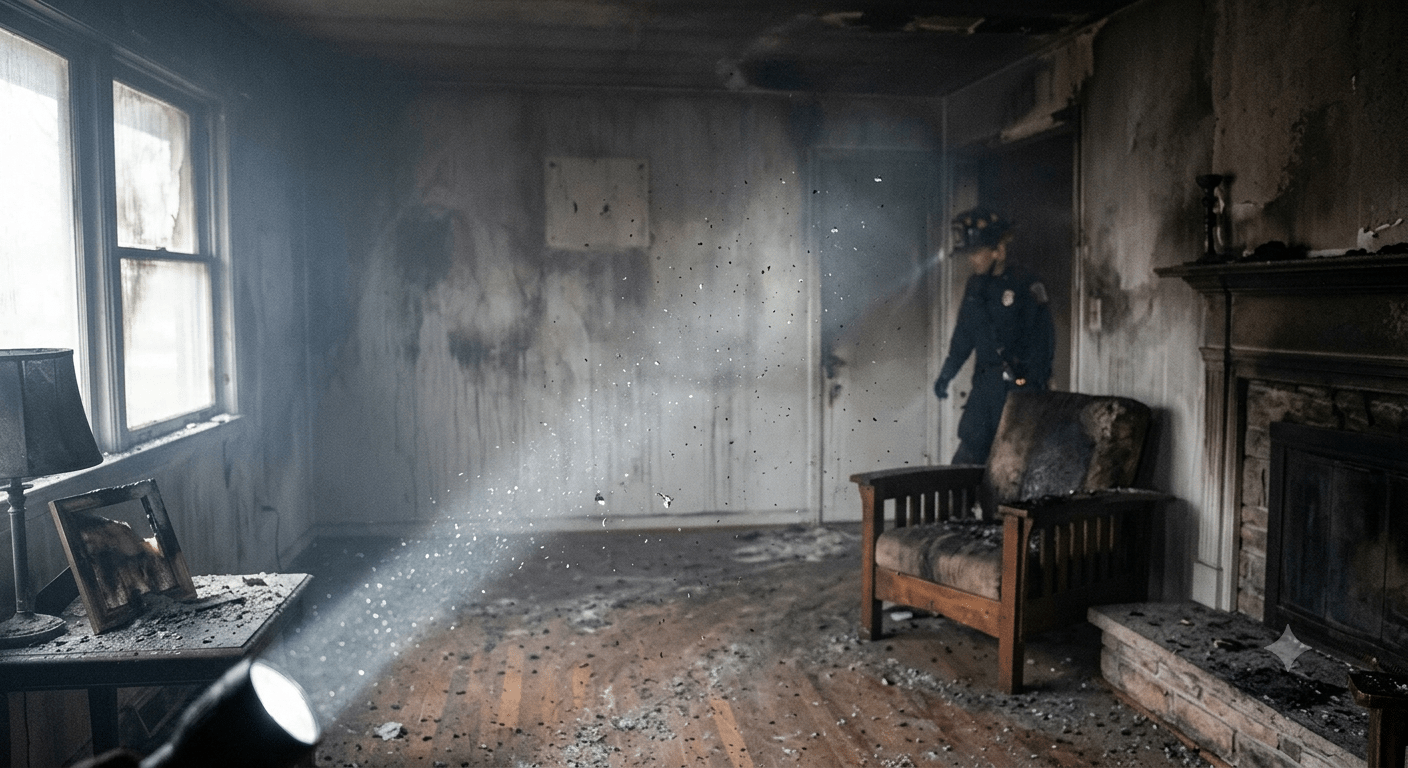
Once a fire is extinguished and the immediate danger has passed, most people assume the worst is over. In terms of physical safety, that’s often true. But in terms of health, the period immediately following a fire introduces a different kind of risk, one that’s invisible, persistent, and frequently underestimated. Combustion byproducts, residual particulates, and biological contaminants introduced during firefighting all linger in a structure long after the smoke has cleared visually. Understanding what actually remains in a fire-damaged property is critical for protecting the health of anyone who re-enters the space before professional remediation is complete.
Soot Particles and Their Penetration Into Soft Materials
Soot is not a uniform substance. Depending on what burned, it carries different chemical compositions, and many of those compounds are acidic, corrosive, or directly toxic to human tissue. Soot particles are microscopic, often smaller than a human hair, which allows them to penetrate deep into upholstery, carpet fibers, drywall, and HVAC ductwork. Surface cleaning addresses only the soot sitting on top of materials. The particles embedded within fabric weave, carpet padding, and porous wall surfaces remain behind, continuing to off-gas volatile compounds for weeks or months without proper remediation. Anyone spending extended time in a structure with residual soot contamination is exposed to ongoing low-level inhalation of these particles, which is associated with respiratory irritation and, with prolonged exposure, more serious health complications.
Water Used in Firefighting Creates Its Own Contamination Risk
Firefighting introduces large volumes of water into a structure that’s already structurally and chemically compromised by heat and combustion. This water mixes with ash, soot, and charred building materials, creating a contaminated slurry that saturates flooring, subflooring, and wall cavities. Unlike clean water intrusion, this fire-related water carries a mix of combustion byproducts and, in some cases, biological contaminants depending on what was stored or present in the structure. Left untreated, this contaminated moisture becomes a breeding ground for bacteria and mold within days, compounding the chemical contamination from the fire itself with biological hazards. Property owners searching for fire damage restoration near me should know that this water requires a distinct contamination protocol, separate from standard water damage, because standard drying alone doesn’t address the chemical residue mixed into the moisture. Once the structure is dry, soot removal and restoration can begin on the surfaces and structural materials that remain.
Volatile Organic Compounds and Lingering Odor
The smoke smell that persists after a fire isn’t just an unpleasant odor, it’s a direct indicator of volatile organic compounds still present in the air and embedded in materials throughout the structure. These compounds originate from burned synthetic materials, including plastics, foam, and treated fabrics common in modern furniture and building products. VOCs from fire damage can cause headaches, dizziness, throat irritation, and nausea with continued exposure. Many homeowners attempt to mask the odor with air fresheners or ventilation alone, which does nothing to address the embedded source. True odor elimination requires identifying and removing or sealing every contaminated material, followed by thermal fogging or ozone treatment in professional settings designed specifically to neutralize smoke-related VOCs at the molecular level rather than simply covering the smell.
Who Faces the Highest Health Risk From Post-Fire Contamination
Children, elderly individuals, pregnant women, and anyone with pre-existing respiratory conditions like asthma or COPD face elevated risk from post-fire air contamination. Their respiratory and immune systems are less equipped to tolerate sustained exposure to soot particles and combustion VOCs, and symptoms can appear more quickly and severely than in healthy adults. Pets are also highly sensitive to these contaminants due to their proximity to floor-level dust and their grooming behaviors, which introduce contaminated particles directly through ingestion. Property owners and families across Indianapolis and surrounding communities should treat re-entry into a fire-damaged structure with the same caution as re-entry into any contaminated environment, limiting exposure until professional assessment confirms the air and surfaces are safe.
Professional Remediation Addresses What DIY Cleaning Cannot
Professional fire damage restoration is structured specifically to address each layer of post-fire contamination: soot removal from porous and non-porous surfaces using specialized cleaning agents matched to the material and soot type, structural drying and treatment of fire-related water intrusion to prevent secondary mold growth, HVAC system cleaning to eliminate recirculating contamination, and odor neutralization through professional-grade equipment rather than masking agents. Attempting to manage fire damage with household cleaning products typically spreads soot particles further into materials rather than removing them and does nothing to address embedded VOCs or contaminated moisture. A full professional assessment identifies every affected material and contamination pathway before remediation begins, ensuring the property is genuinely safe for occupancy rather than simply appearing clean on the surface.
Questions Homeowners Ask
| Is it safe to stay in a home after a fire? | Not without professional assessment. Soot particles, contaminated firefighting water, and volatile organic compounds can remain at unsafe levels even when visible damage appears minor. Professional evaluation should occur before extended re-entry. |
| Why does smoke smell linger so long after a fire? | Smoke odor persists because volatile organic compounds are embedded in porous materials throughout the structure. Air fresheners and ventilation only mask the smell. Professional odor neutralization addresses the embedded source directly. |
| Is firefighting water different from regular water damage? | Yes. Firefighting water mixes with ash and combustion residue, creating chemically contaminated moisture that requires different treatment protocols than clean water intrusion to prevent both mold growth and chemical exposure. |
| Who is most at risk from post-fire air contamination? | Children, elderly individuals, pregnant women, anyone with asthma or respiratory conditions, and pets face elevated risk from soot particles and volatile organic compounds present after a fire. |



0 Comments