
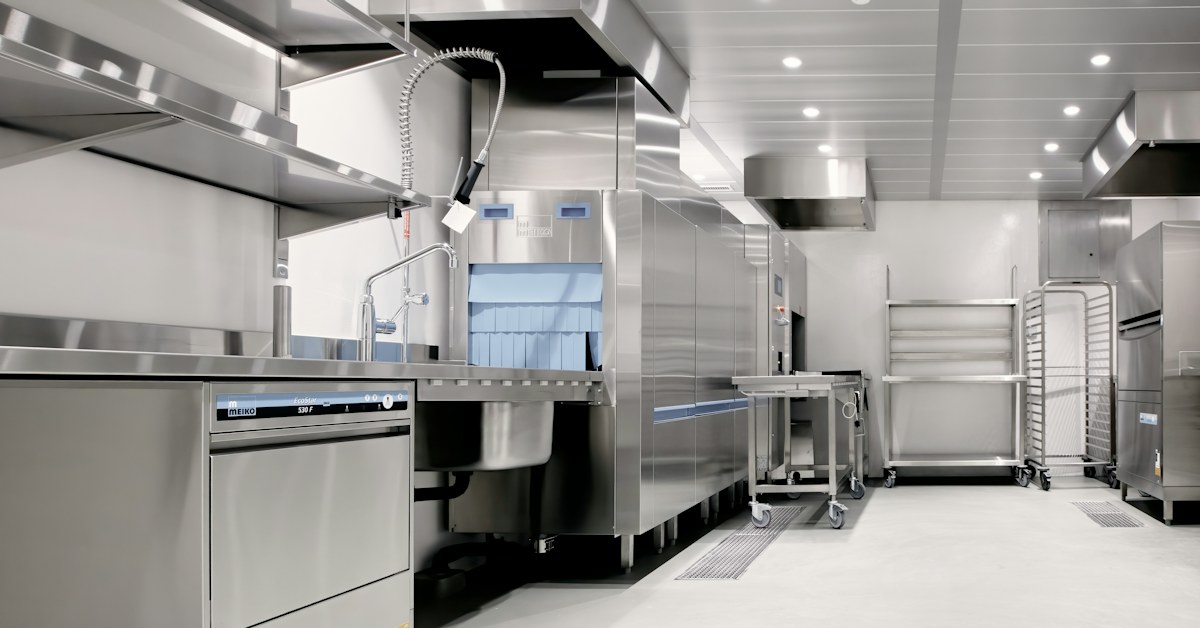
Short answer: A restaurant should call for water extraction as soon as water spreads beyond what staff can mop up in a few minutes, reaches under equipment or into walls, or comes from a drain backup. Commercial kitchens have quarry tile, floor drains, walk-in coolers, and wall-mounted equipment, and water that gets under them can keep a dining room closed for days if it is not removed fast.
Restaurants in Indianapolis run long hours, and many leaks start after close, when a dishwasher line, ice machine supply, or walk-in condensate drain fails with no one there. Staff find the water at open, often with a full day of service on the books. A 24 hour water damage company that can arrive quickly can make the difference between a short delay and a lost weekend.
What counts as more than a mop-up?
More than a mop-up means water has spread across more than one area, is coming back after cleanup, has gone under coolers or cookline equipment, or has reached drywall, baseboards, or the dining room floor. Water from a floor drain or grease trap backup is never a mop-up job.
Hidden water is the main risk. Quarry tile and grout look dry within an hour, but water can sit under the tile bed, inside cove base, and beneath equipment for days.
What should staff do first?
Staff should stop the water at the source, shut off power to wet equipment if it is safe, and keep employees and guests away from slippery or contaminated areas. Then call a restoration company and the property owner or manager.
- Close the water valve to the failed line or the main.
- Photograph the area and the failed part before cleanup.
- Move food, paper goods, and linens off wet floors.
- Discard food or packaging that touched water from a drain.
How do water extraction services work in a kitchen?
Water extraction services use truck-mounted or portable extractors to remove standing water from tile, grout lines, and floor mats, then pull water from under equipment and along walls. Technicians check moisture under cove base and in nearby walls with meters and thermal cameras.
Equipment on wheels may be moved to reach water underneath. Heavy or plumbed equipment is worked around, and technicians use targeted drying to reach those areas.
What do water mitigation services add?
Water mitigation services add structural drying, removal of damaged materials, and cleaning so the water does not cause more damage after extraction. That can include drilling small holes behind cove base to dry wall cavities, removing wet drywall in back-of-house areas, and running dehumidifiers overnight.
Restorm Indy uses commercial-grade dehumidifiers, air movers, moisture meters, and HEPA filtration, and plans equipment placement around food prep areas.
Can the restaurant stay open during drying?
Some restaurants can stay open with drying equipment running in back-of-house areas, but food safety rules and the location of the damage decide that. Wet areas near food prep, and any water from a drain or sewer, need cleaning and disinfecting before service resumes.
Check with your local health department if you are unsure. The Marion County Public Health Department handles food establishment inspections in Indianapolis.
Why does timing matter so much?
Timing matters because water spreads sideways and downward quickly, and every extra hour raises the chance that drywall, cabinets, and flooring will need to be replaced instead of dried. Fast extraction usually means fewer materials removed, less rebuild work, and fewer closed days.
A restaurant on an upper floor, or one with a basement below, also risks damage to neighboring spaces.
Who pays for kitchen water damage?
Who pays depends on the lease and your commercial property and business owners policies, and whether the leak came from tenant equipment or building plumbing. Many commercial policies cover sudden water damage and some include business interruption coverage.
Restorm Indy documents moisture readings, photos, and the work done so owners, landlords, and adjusters have a clear record.
What can owners do to prevent the next leak?
Owners can prevent repeat leaks by inspecting supply lines on dishwashers, ice machines, and sinks, keeping floor drains and grease traps serviced, and making sure walk-in condensate lines drain freely. Install water leak sensors under the dish station and ice machine, and train closing staff to look for water before they leave.
Keep the main water shutoff labeled and easy to reach.
Related services: Emergency Restoration Services · Indianapolis, IN service area
Frequently asked questions
How fast can a restoration team arrive?
Response time depends on location and demand. Restorm Indy responds 24/7 across Indianapolis and nearby cities, so call as soon as the leak is found.
Will extraction damage our quarry tile?
No. Extraction removes water without harming tile. Drying beneath the tile bed and cove base is what protects the floor.
Do we have to close the whole restaurant?
Not always. It depends on where the water is, what kind it is, and food safety requirements. Your restoration team and health inspector can help you decide.
Call Restorm Indy for restaurant water extraction in Indianapolis
If your kitchen has a leak in Indianapolis or a nearby city, call Restorm Indy at (317) 995-6696. Our team answers 24/7 for water extraction, mitigation, and rebuild.





0 Comments