
Why Reconstruction Delays Cost More Than the Repair Itself
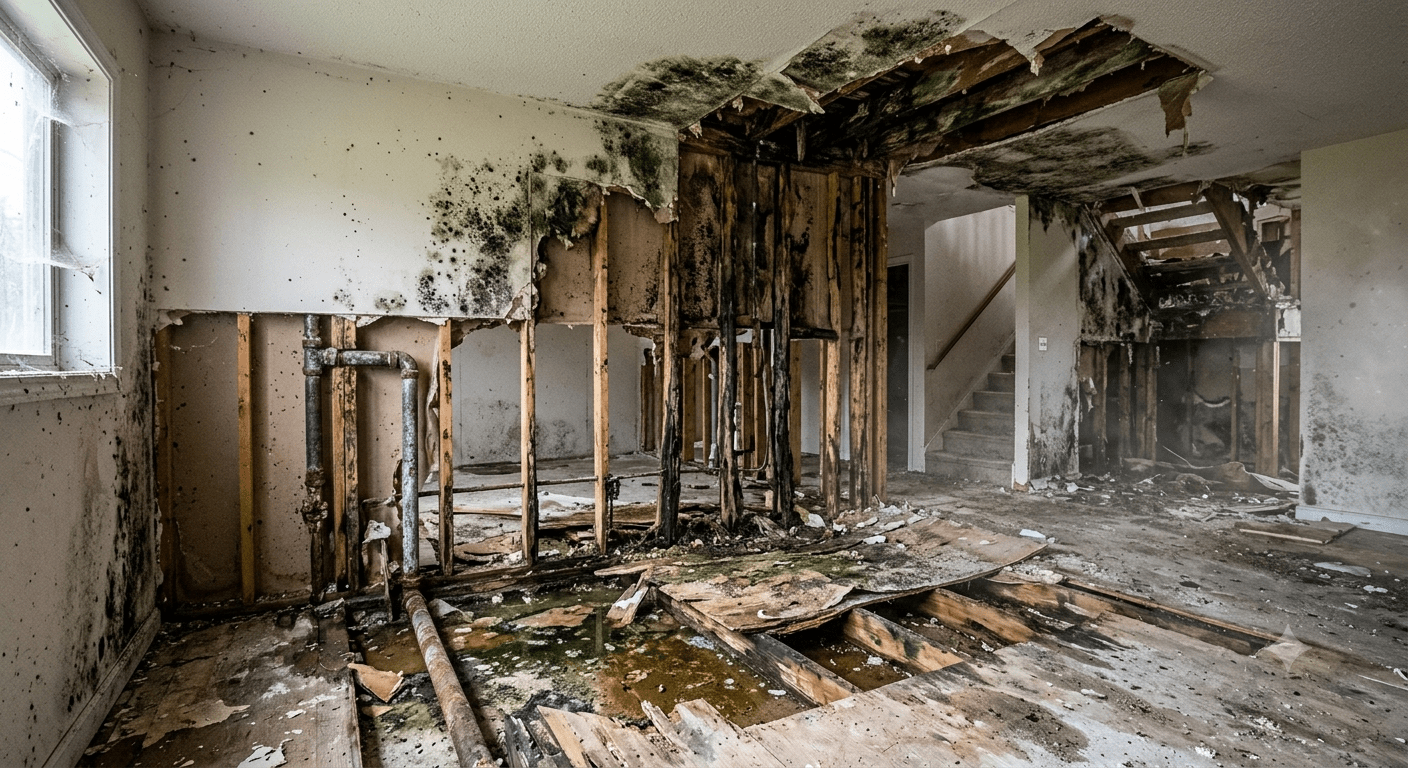
After a storm tears off roof shingles, breaches siding, or compromises a structure’s exterior envelope, property owners often focus only on the immediate, visible damage. A tarp goes over the roof, boards go up over a broken window, and the assumption is that the situation is stabilized until a contractor schedule opens up. This assumption is one of the most expensive mistakes a property owner can make. Every week a compromised structure sits unrepaired, secondary damage accumulates underneath the temporary fix, and the eventual reconstruction project grows larger, more complex, and significantly more expensive than the original storm damage would have required.
Temporary Fixes Are Not Waterproof Solutions
Tarps and plywood boards are designed to provide temporary protection, not long-term weatherproofing. Wind lifts tarp edges. Seams allow water infiltration during heavy rain. Plywood over a broken window or damaged wall section is rarely sealed with the precision needed to prevent moisture intrusion during the next storm system. Each subsequent weather event that passes over an inadequately protected structure introduces additional moisture into already-compromised areas. This is particularly true throughout Central Indiana, where seasonal storm patterns and freeze-thaw cycles mean a property sitting with temporary protection for months will likely face multiple additional weather events before permanent reconstruction begins. The cumulative effect is moisture intrusion that extends well beyond the original storm damage footprint.
Structural Materials Continue Degrading Under Temporary Protection
Roof decking exposed to repeated moisture cycles under a tarp begins delaminating and softening, even when the tarp appears to be holding. Wall framing behind temporary board-up material absorbs ambient moisture from condensation and minor seam leaks, creating ideal conditions for wood decay and mold growth inside cavities that won’t be inspected again until reconstruction begins. Insulation compressed or saturated during the initial storm event, if not removed and replaced promptly, continues losing effectiveness and can harbor mold colonies that spread into adjacent dry materials. By the time reconstruction crews finally open up the temporarily protected area, they frequently find damage extending well beyond the original storm footprint, requiring additional demolition and material replacement that wasn’t part of the initial damage assessment.
Insurance Complications From Extended Delays
Insurance policies generally require property owners to take reasonable steps to prevent further damage after an initial loss event. Extended delays in permanent reconstruction can create disputes over which damage was caused by the original storm versus which damage resulted from prolonged exposure under inadequate temporary protection. Adjusters may decline to cover secondary mold growth or structural decay that developed during a lengthy delay, classifying it as preventable negligence rather than storm-related loss. This puts property owners in the difficult position of absorbing costs that proper, prompt reconstruction would have avoided entirely. Working with a restoration company that handles the full process, from emergency stabilization through final reconstruction, keeps the timeline compressed and reduces the window during which secondary damage and insurance disputes can develop.
The Compounding Cost Curve of Delayed Reconstruction
Reconstruction costs don’t increase linearly with delay, they compound. A roof repair quoted immediately after a storm might address shingles, underlayment, and minor decking replacement. The same repair quoted three months later, after repeated moisture cycling under a tarp, often requires full decking replacement, ceiling drywall repair from interior leaks, insulation replacement, and mold remediation in the attic space. What started as a five to ten thousand dollar repair can become a twenty to thirty thousand dollar reconstruction project. This compounding effect is why prompt action matters more than most property owners realize when they’re focused on simply getting through the immediate aftermath of a storm.
Moving From Emergency Stabilization to Permanent Reconstruction Quickly
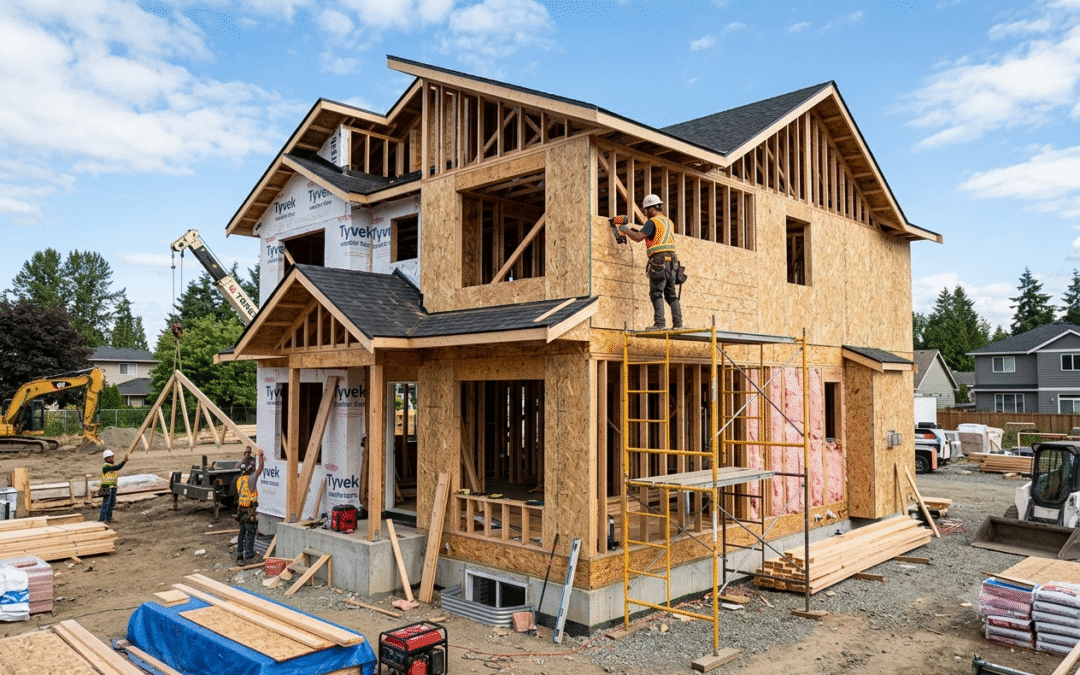
The most effective approach to storm damage is treating temporary protection as exactly that, temporary, and scheduling permanent reconstruction as quickly as possible rather than as a low-priority follow-up task. Professional reconstruction and structural repair services assess the full extent of storm damage immediately, identify any secondary moisture intrusion before it spreads further, and move directly into permanent repair without the gap that allows additional damage to accumulate. Property owners across Indianapolis and the surrounding region benefit most from working with a single restoration company that manages both the emergency stabilization and the full reconstruction, since this eliminates the scheduling gaps and miscommunication that often occur when multiple separate contractors are involved in sequential phases of a storm damage repair.
Questions Homeowners Ask
| How long can a tarp safely protect a roof? | Tarps are designed for short-term protection only, typically a few weeks at most. Extended use through multiple weather events significantly increases the risk of moisture intrusion and secondary damage beneath the covered area. |
| Does delaying reconstruction affect insurance coverage? | Yes, potentially. Insurance policies typically require reasonable efforts to prevent further damage. Extended delays can lead to disputes over whether resulting damage is covered as original loss or excluded as preventable negligence. |
| Why do reconstruction costs increase over time? | Repeated moisture exposure under temporary protection causes secondary damage including wood decay, mold growth, and insulation failure, expanding the scope of repairs well beyond the original storm damage footprint. |
| Should one company handle both stabilization and rebuild? | Yes, this is generally recommended. A single restoration company managing the full process from emergency stabilization through reconstruction eliminates scheduling gaps that allow additional damage to develop. |



0 Comments